
The history, philosophy, and people
behind the Brilliant Breakthroughs made since the 1970s

Company History
Founded in the 1970s by then tenured professor of biochemistry, Dr. Richard J. DeSa...

Dr. Richard J. DeSa
Dick DeSa, or “Chief” as he is widely known, has devoted his life to instrument...

Julie DeSa Lorenz
Owner and CEO of the company founded by her father…

Technical Support
Elisabeth Millsap, our Customer Support Engineer, prioritizes…
If it were easy, everyone would build instruments from the software up.
“Hardware is a complication that houses the sample and produces the signal. Everything else should be done by a computer.”
Richard J. DeSa, Ph.D.
In the 1960s, Dick DeSa discovered computers. At the time, he was doing high speed, high sensitivity UV/Vis spectroscopy on bioluminescence. He and his post-doctoral advisor, Prof Quentin H. Gibson, purchased a minicomputer in 1966.
Dick took on the challenge of learning Assembly language and writing the code for this computer to make simpler their very difficult measurements.
They focused on millisecond kinetic data acquisition and then expanded into data processing software.
The goal was always to alleviate the onerous and elevate the accurate.
With that background and experience, all OLIS spectrophotometers have since been designed from the software up.
Hardware – light source, monochromator, sample holder, detector, electronics – are exactly and only exactly which is essential for the measurement. All the muscle, the smarts, are in the software.
Beyond making incredibly powerful, versatile, modular instruments, the resulting OLIS products are relentlessly reliable.
What must be done with complex electronics by others is done with software by us. Software doesn’t age, deteriorate, fail. Software changes only when intentionally changed. Hardware, of course, ages, deteriorates, and fails at all the most inconvenient times!
A third advantage of equipment designed this way is the designed-in upgradability. When it is time to change the software – because a new era is entered or a new accessory is added or a new data acquisition mode is needed – one upgrades an OLIS. Our instruments are only obsolete to the extent that you haven’t upcycled it yet. You decide what is obsolete enough!
Compare this against the designed-in obsolescence other manufacturers expect their base to tolerate. Use it until something breaks. Repair it. Or more likely, toss it out and replace it.


Paper authored by our founder, Dr. Richard DeSa, in 1969. See this paper and more on his ResearchGate page.
We abhor waste in science. Wasted equipment. Wasted samples. Wasted consumables. Destroyed information. Everything we do minimizes these issues, maximizing your economy, efficiency, and accuracy in the laboratory.
Julie Ann DeSa Lorenz
The reason to do science is for the betterment of mankind. Tragically, lab science has led to tremendous waste in its quest for the easier, better, healthier, more durable, longer lived …
How do OLIS spectrophotometers mitigate seemingly inherent and unavoidable downsides of lab work?
1. The CLARiTY UV/Vis spectrophotometers do not require you to destroy your sample. Work with the sample in exactly the environment of most value with sample ‘prep’ being only what benefits you, not your spectrometer. Scatter does not matter, so you can reduce the sample volume, the consumables, the time, effort, etc., a little or a huge amount. All cuvette spectrophotometers require you to destroy the very environment that is could hold the key to the true answer you seek. https://olisclarity.com/uv/vis-for-all-light-absorbing-samples-clarity
2. The CPL (and in second half 2026, the CD) spectrometers do not destroy the harmonics of the polarization signals. These CPL/ LPL and CD/ LD spectrometers collect uncontaminated, correct results. All other commercial alternatives destroy the very information that is required for the right answer. https://olisclarity.com/circularly-polarized-luminescence-spectrometers and https://olisclarity.com/circular-dichroism-models
3. The OLIS RSM 1000 spectrophotometers obtain millisecond spectral data with milliabsorbance sensitivity, reducing dramatically the volume of sample required for best kinetics. Anything else is just a diode array or CCD, both of which destroy photolabile samples and have far lower sensitivity. https://olisclarity.com/rapid-scanning-uv/vis
4. Hundreds of third-party products have been saved from the landfill by our modernization work. Today, we limit our upcycling to our own older equipment, the Cary 14 & Cary 17 UV/Vis/NIR, the PE 983 IR, and the HP 8453 UV/Vis. https://olisclarity.com/classics-upgrades
5. All OLIS equipment is endlessly upgradable, so nothing winds up in the landfill unless it is abandoned or truly obsolete.
Instead of buying your instruments from a corporation that cares about their profits and not your waste, buy from a company committed to brilliant breakthroughs and softer carbon footprints, both theirs and yours.
Developer, Dr. Richard J. DeSa, with an Olis CLARiTY

From Antonio Peña, October 2017:
It is hard for me to remember when exactly I had the fortune, first to hear from Dr. DeSa, and then meet him in person, and mostly to be able to take advantage of the technology he has developed for so many years. Particularly during the first years, there was the additional pleasure of knowing that all the excellent products and services provided by OLIS Inc were supported by a family enterprise.
Through the years, not only my laboratory, but others in our Institute and other places in Mexico, had acquired high precision spectrophotometers as well as spectrofluorometers invented by Britton Chance. However, in a few years we saw the disappearance of brands like Aminco, SLM, American Optical, and finally nothing… so, the only possible future for
our instruments was that they lasted forever, without any hope for service. But one day we heard about a new company, OLIS Instruments. It sounded unbelievable, because it not only would allow us to preserve our instruments, but more so, have them modernized, with a computer attached, allowing us to forget about the use of pen recorders, but also, through the years, enjoy the growing possibilities to process the data and refined our findings.
So we started to seek for the funds necessary to modernize our equipments, and in the process, for some reason, one day we decided to go to Bogart GA and see by ourselves the origin and structure of that miracle. We were surprised at first, the place was not very small, but also not that of the very large companies we were used to see. But perhaps the most pleasant an original surprise was that OLIS Inc was an enterprise, requiring of course, the mastermind of Richard DeSa, who progressively moved from the modernization of different types of equipments, to develop more and more elaborate ones, such as the RSM 1000, and the most recent, the OLIS CLARiTY. But most interesting was that, particularly during its first years, OLIS was operated by a group which is not only remarkable as such, but a wonderful family followed by an extraordinary community.
I want to mention a particular experience with Dr. DeSa: while trying to get the modernization of one of our equipment, we could not raise the funds to complete the full cost. I wrote him, and he gave me a very substantial discount, for which I have always been grateful, but also shows one of his important personal characteristics: generosity before business.
With the modernization of our first spectrophotometer we had the fortune that the whole modification was installed by Richard DeSa himself, who came with his wife, and had the opportunity to visit the pyramids of Teotihuacan. It has been many years that we have enjoyed the attention, support and kindness, not only from the DeSa’s, but also from each and everyone, not employees, but members of a community. So, I end up by wishing the best to OLIS, but more than that, to the wonderful DeSa family and thanking heaven for having put them in my way, an all my admiration to Richard DeSa.
“Nothing tends so much to the advancement of knowledge as the application of a new instrument.”
— Sir Humphrey Davy. 1812

When it came time for us to develop and produce hardware, we did so only to offer something better markedly better than what was available. Why re-invent the wheel or make modest improvements when new instruments offer so much more?
Founder: Dr. Richard J. DeSa
Our First Spectrophotometer:
the OLIS RSM 1000

This one millisecond spectrum was collected on the prototype, circa 1992.
This one millisecond spectrum was collected on the prototype, circa 1992.
Look at this high-resolution spectrum, collected in 1992. What is special about it? It was collected in one millisecond. Software written by the highest caliber scientists and software developers over a nearly five year period was required to handle the megabyte of data per second the RSM produces.
This OLIS RSM 1000 remains the only rapid-scanning monochromator in existence. With it, you can answer questions impossible on ‘normal’ spectrophotometers. It easily gives you milliabsorbance sensitivity and millisecond spectral acquisition rates, and single keystroke software steps for 3D analysis.
A Brilliant Breakthrough by anyone’s criteria, this spectrophotometry system collects a megabyte of data per second for highest density data acquisition from minimal sample.
Another brilliant breakthrough product that could lead to your brilliant breakthroughs: the CLARiTY.
Clear samples are easy. Every UV/Vis, NIR, and IR spectrophotometer handles clear samples.
In 2009, Dr. De Sa took on the challenge of expanding your experimental opportunities to include turbid samples.
He called the prototype the “Mitochondria Machine,” as proof of performance was achieved following the electron transport chain in living cells! The RSM was slowed to 100 scans per second.

In 2009, while developing the first CLARiTY, Dr. DeSa could frequently be heard muttering:
CLARiTY Systems for a Wider Audience
Many applications cannot take advantage of the high-speed scanning. The CLARiTY technology is now available on upcycled Cary and OLIS spectrophotometers, as well as a modestly priced CCD version. Most recently, models for single wavelength applications were added, too!

OLIS CLARiTY 1
Circularly Polarized Luminescence!
A new luminescence spectrometer was added in 2019 that brings circularly polarized luminescence spectroscopy within reach of most laboratories. Everyone knows about fluorimeters for measuring molecules in their excited state. And CD spectrometer for measuring chiral molecules in their ground state. Now, you have the opportunity to expand your science to include chiral molecules in their excited state!

OLIS CPL Solo
Today, we offer you a full line of UV/Vis and NIR absorbance, fluorescence, circular dichroism, circularly polarized luminescence, and phosphorescence lifetime spectrometers, all of which expand your opportunities for worthwhile measurements, lower cost experiments, and your best opportunity for brilliant breakthroughs.
In 1998, we ran this advertisement in the 75th Anniversary issue of C&E News to celebrate 22 years in business. This photo shows that the very first delivered product under the OLIS name, a (mini) computer system DeSa and his early partners produced to improve — to upcycle — a spectrophotometer at the University of Michigan.
2026 marks our 50th year in business.
Is it time for you to join us?
Best results with least sample
Highest technology hardware & software
Endlessly upgradable spectrophotometers
Technical support that puts your needs first

Privacy Statement from Olis, Inc.
We, Olis Inc, represent that we comply with all applicable laws and regulations relating to data protection and data privacy. We will use the personal data you share with us only for the purposes stated below:
Sending you the requested material;
Sending you communications about our products and special offers, subject to an opt out possibility.
Some of the people behind your instruments:
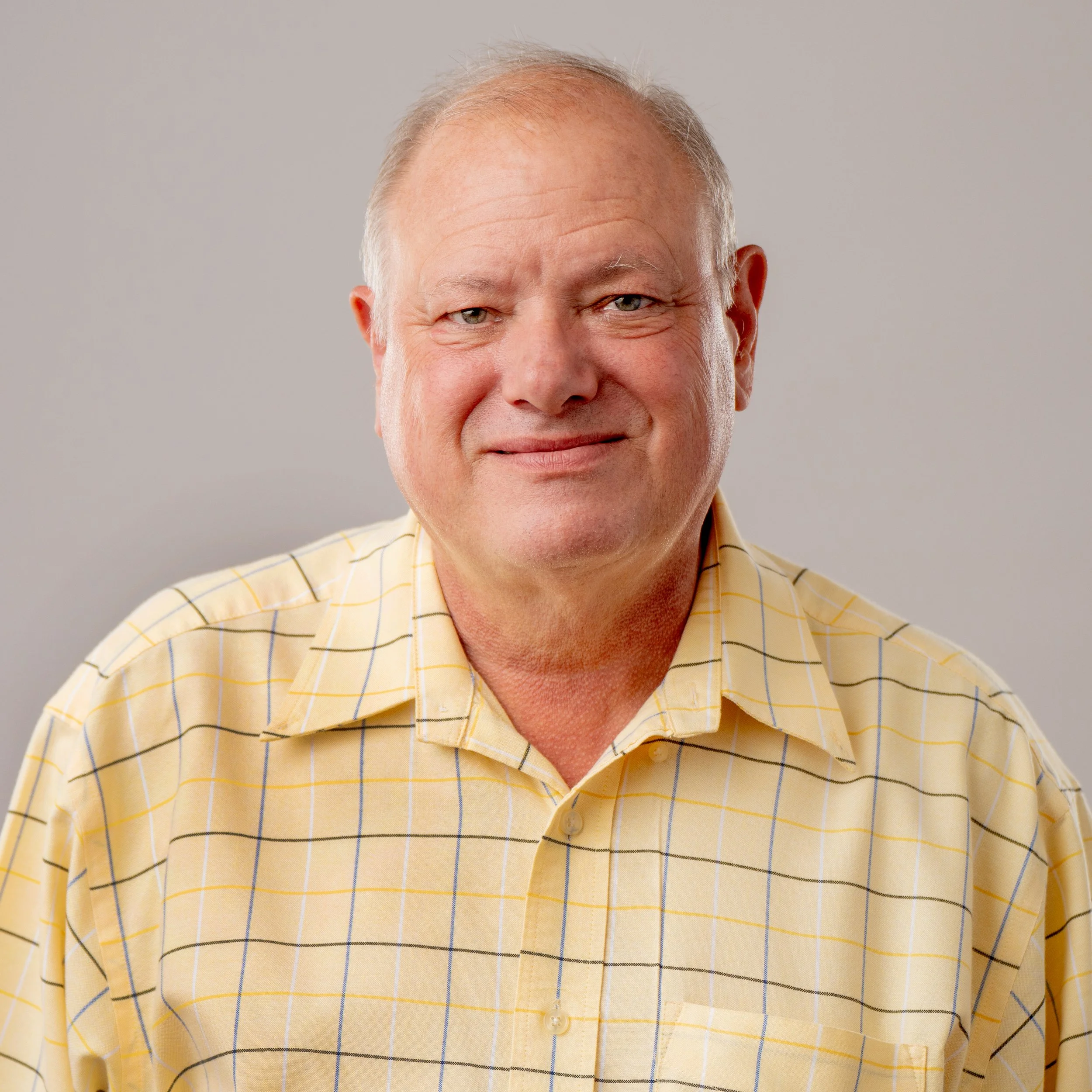
Richard Hantus
CAD Engineer & Production Lead
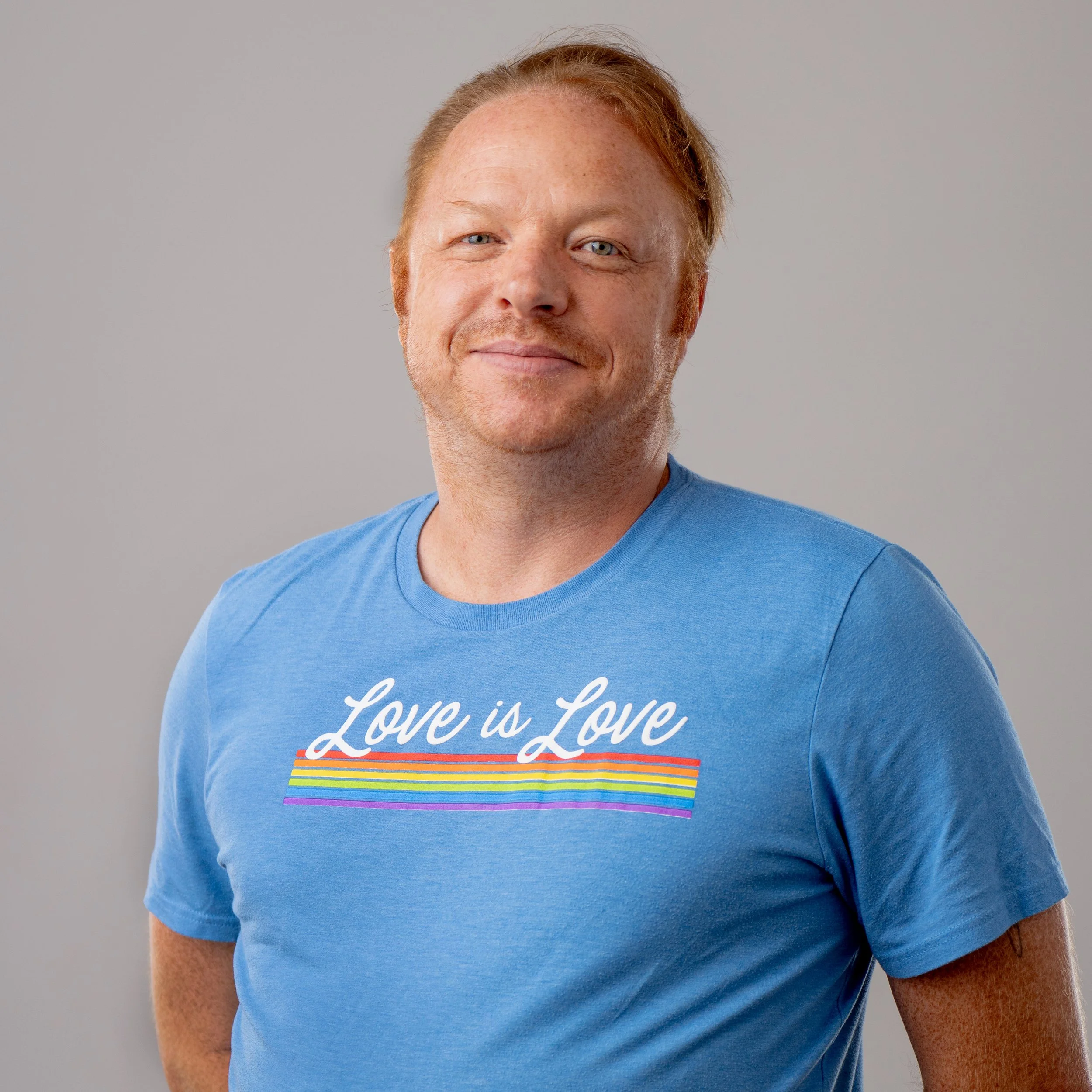
Robin Crenshaw
Master Machinist

Matthew Paulishen
Electronic Engineer
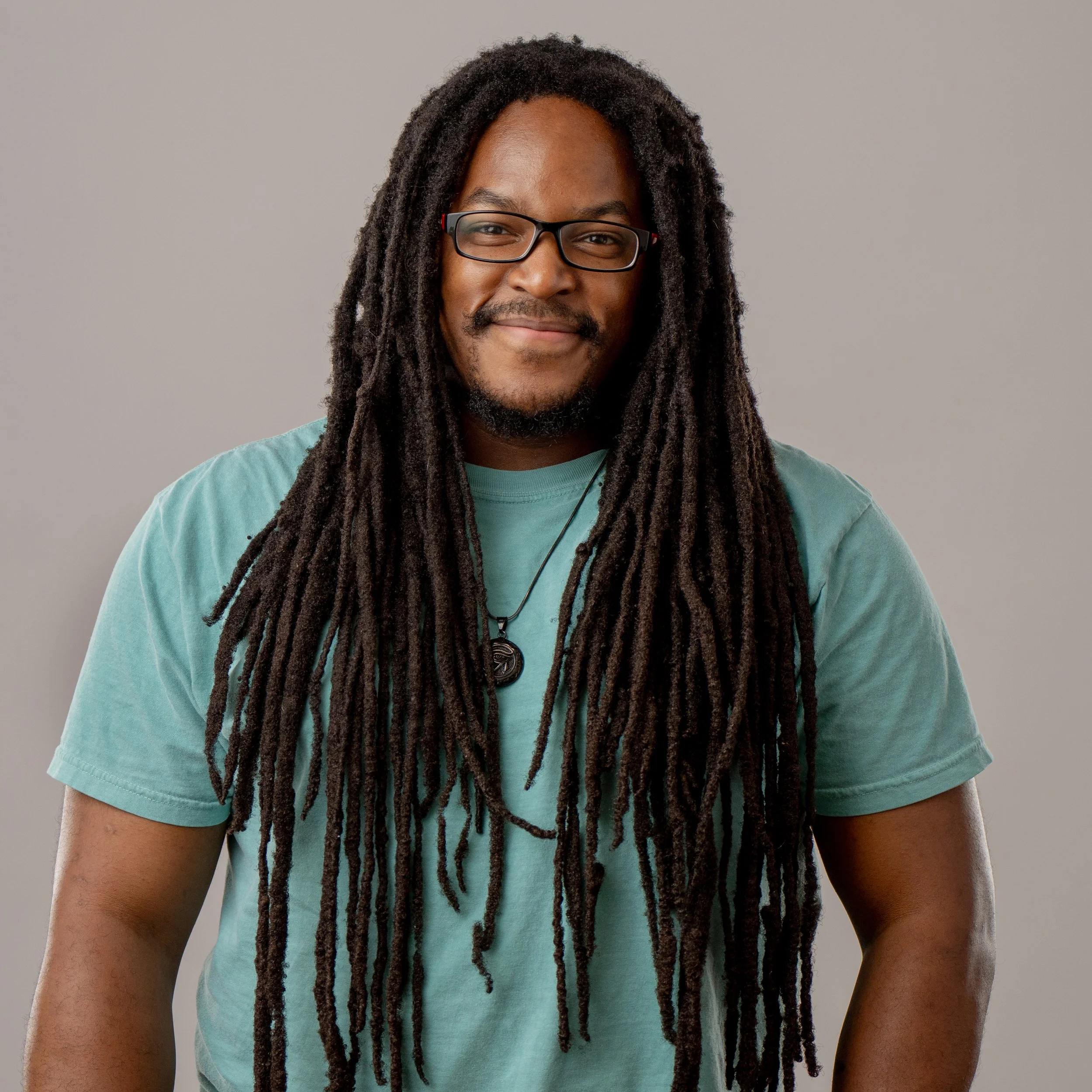
Tseliso Campell
Mechanical Engineer
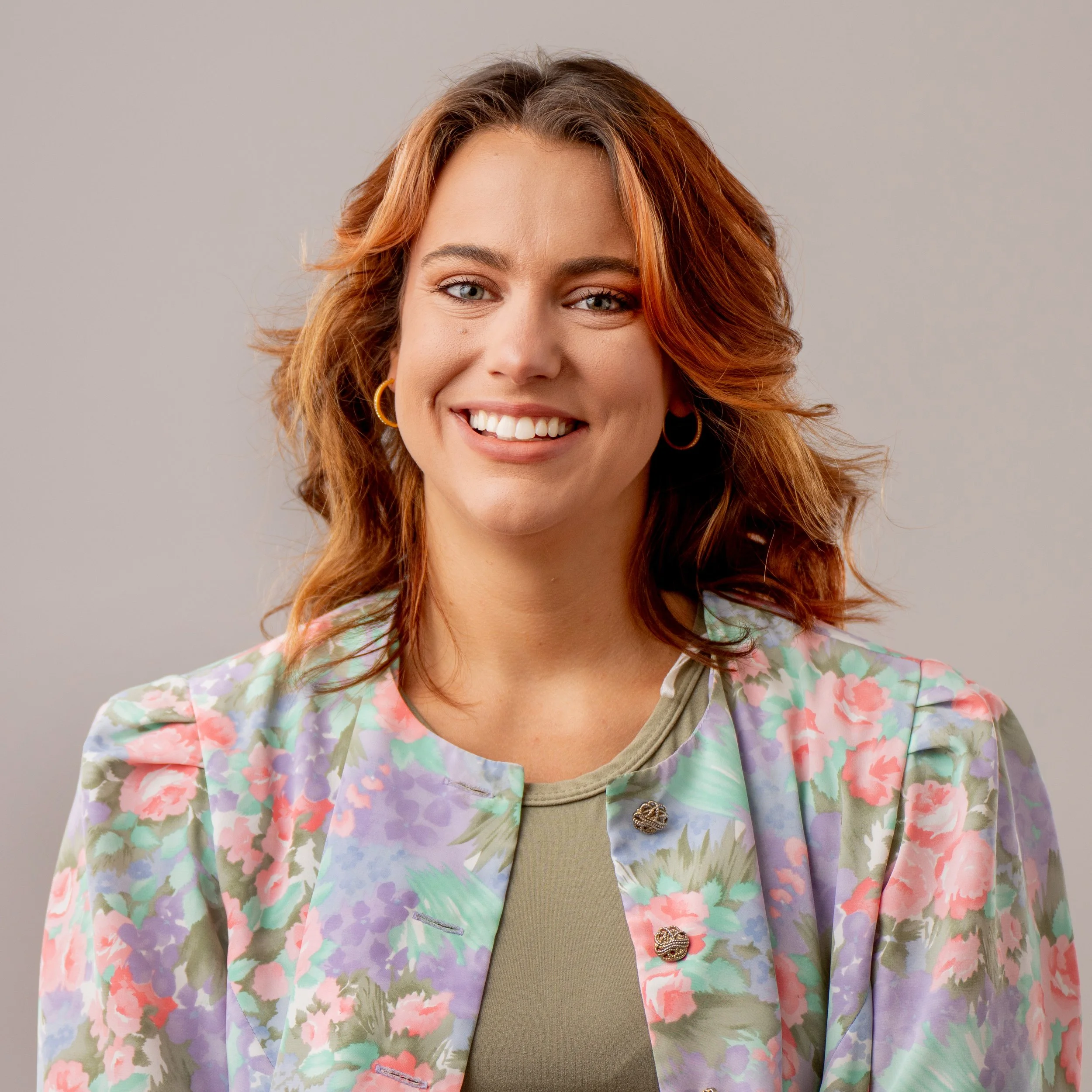
Chelsea Sutton
Full-Charge Bookkeeper
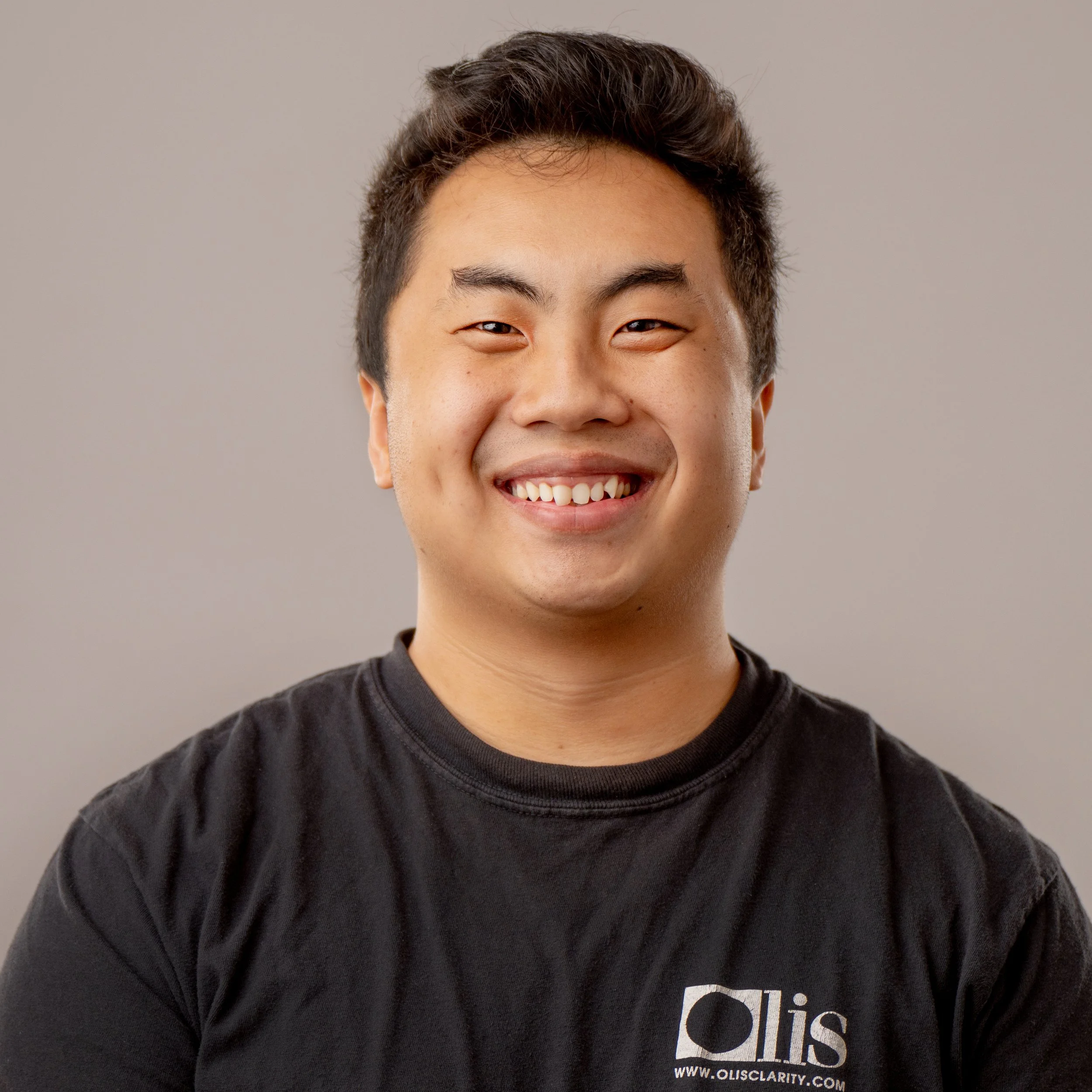
Adam Xiaong
Production and Quality Assurance

Elisabeth Millsap
Customer Support Engineer
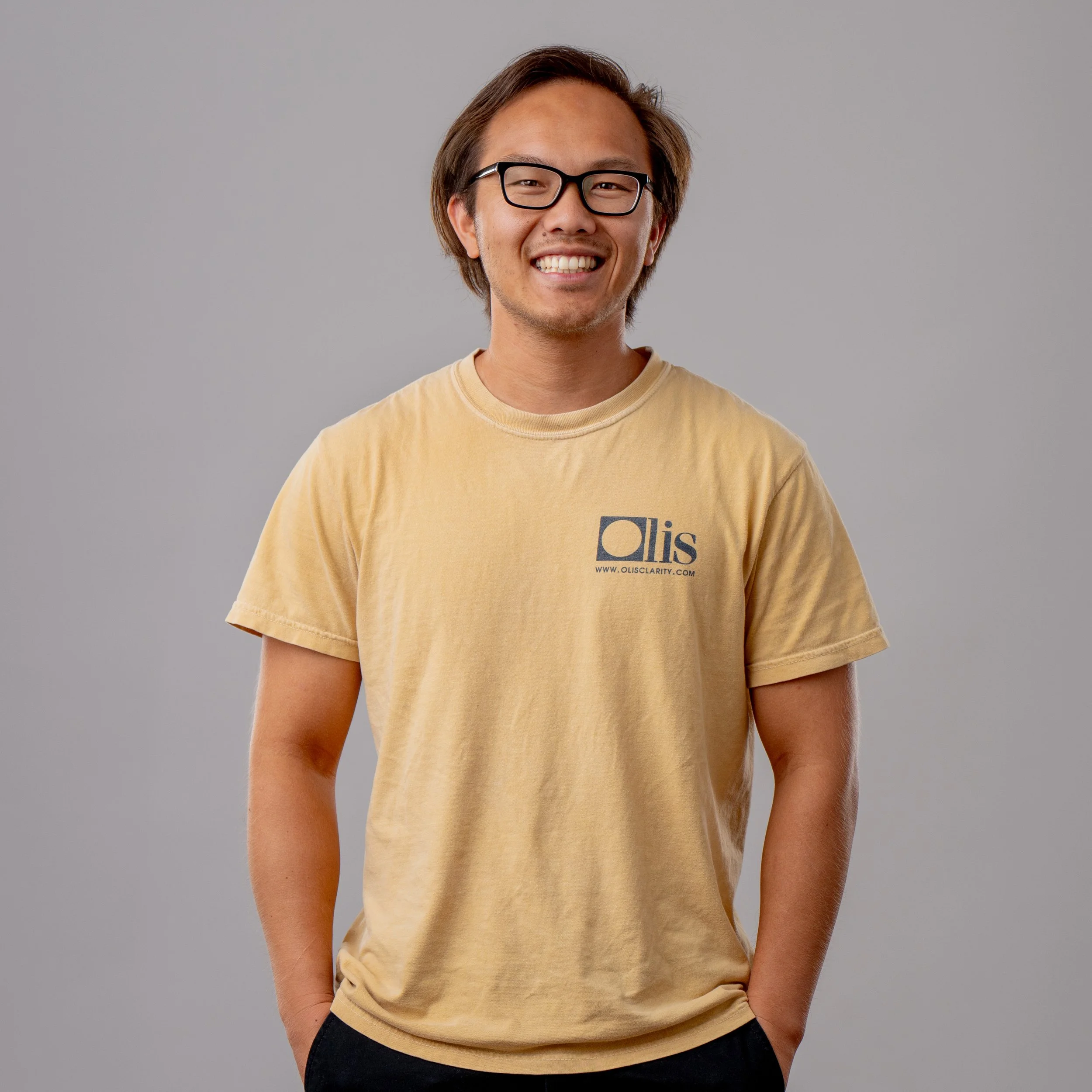
Tommy Chang
Production Coordinator
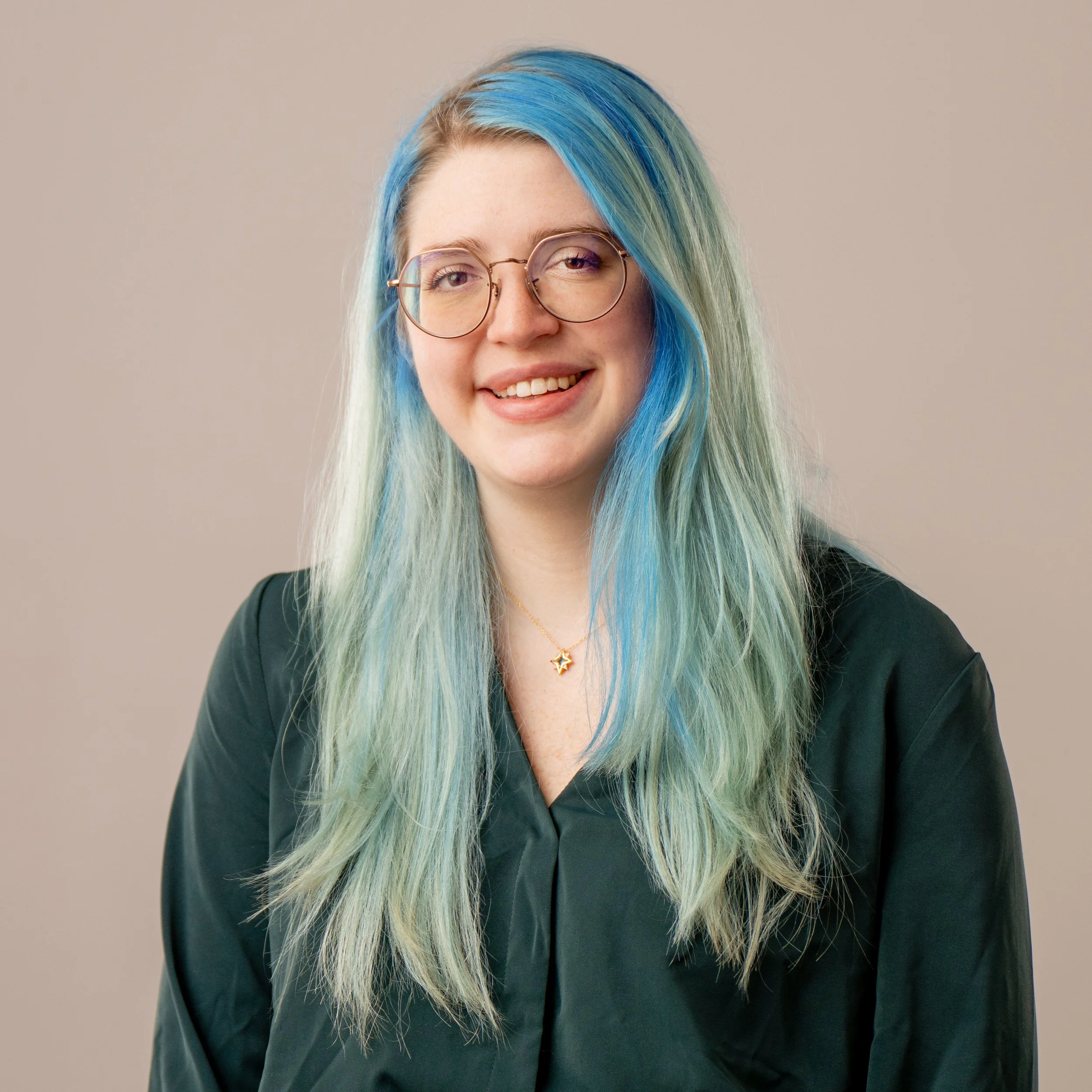
Avrie Darling
Executive Assistant & Website Administrator

After a two year process, OLIS was certified in August 2024!
Triple-impact companies are those which prioritize people and planet with profits. To quote from the B Corp page, "Certified B Corporations are leaders in the global movement for an inclusive, equitable, and regenerative economy. Unlike other certifications for businesses, B Lab is unique in our ability to measure a company’s entire social and environmental impact."